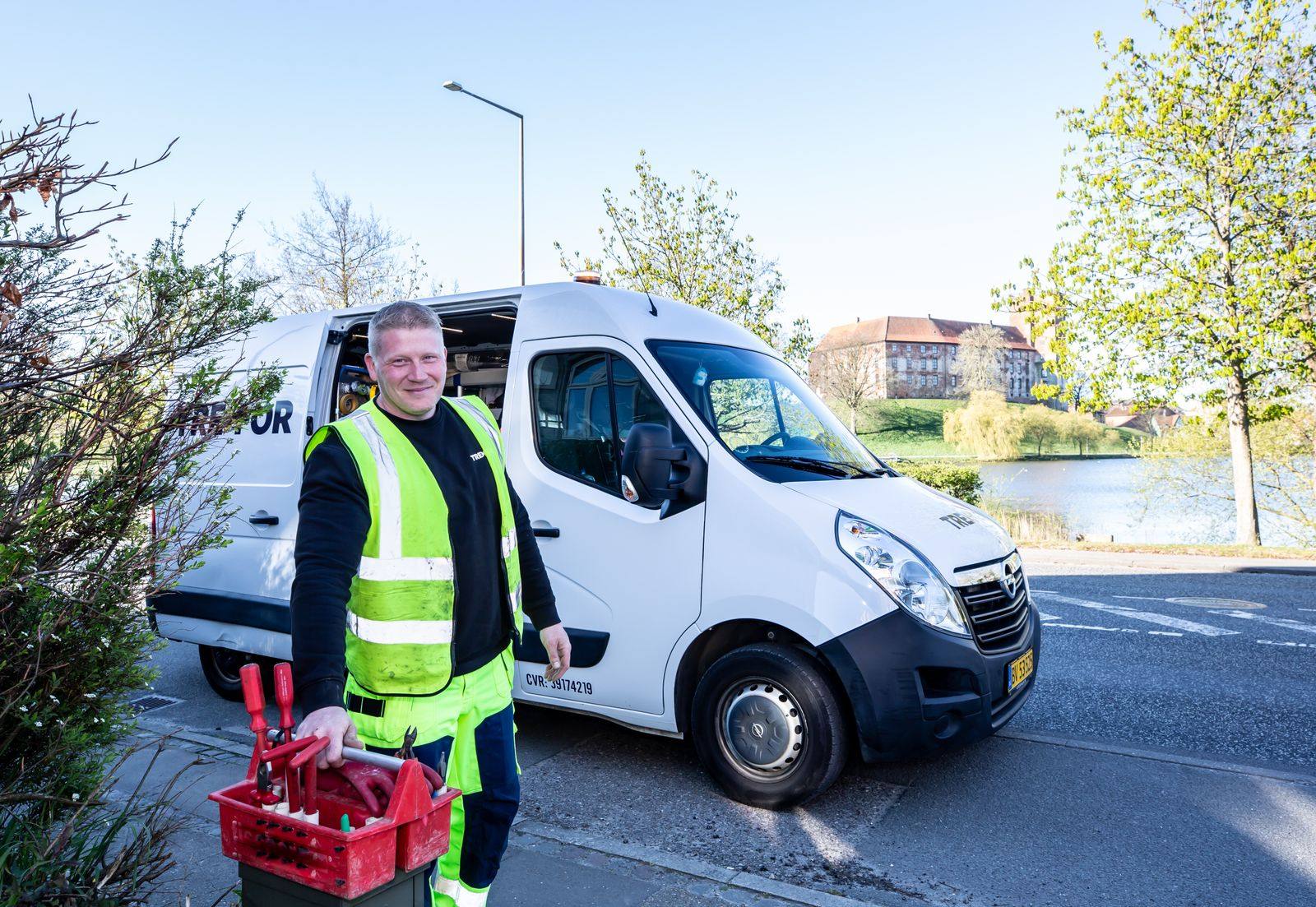
Plenty of water heater problems are fine to book for later in the week. A few situations cannot, and knowing the difference protects both your home and your family. A tank that has split along a seam does not stop after emptying its own 40 or 50 gallons, because the cold supply keeps refilling it, so an unattended leak can move hundreds of gallons into flooring, drywall, and the rooms below. A temperature and pressure relief valve that keeps discharging is telling you that pressure or heat inside the tank has gone past its safe limit. Water coming out of the taps hot enough to scald usually points to a thermostat or gas control that has failed on the hot side. And any smell of gas near the heater is a safety event first and a repair second. In Glenview, IL, these are the calls we treat as genuine emergencies.
Right away, rule out gas. A rotten-egg odor near the heater means everyone leaves the house, no one touches switches or appliances while leaving, and the call goes to your gas utility or 911 from a safe distance. If there is no gas smell, turn to the water: close the cold supply valve at the top of the heater, or the main shutoff if that valve is frozen in place. Next, cut the energy to the unit, turning a gas control to OFF or switching off the dedicated breaker on an electric model, as long as you are standing on dry ground. Do not try to stop a discharging relief valve. Plugging it removes the last safeguard against a tank that is overheating. Once things are isolated, call (847) 220-5072 for help.
Our part of the job begins the moment you call (847) 220-5072. Whoever answers walks you through isolating the heater, confirms the leak has actually stopped, and gives you a realistic window for a technician rather than a number that sounds good. Once we arrive, safety checks come first: water, gas or power, and venting. Then we diagnose. A failed relief valve, a leaking drain valve, a corroded supply fitting, or a burned-out element can typically be swapped before we leave because those parts ride on the truck. If the tank has rusted through, no repair will hold, and we tell you so plainly before walking through replacement choices. Homeowners across Glenview call us for exactly these moments.
Our most requested service is Water Heater Repair in Glenview. That's the place to start for most homes.
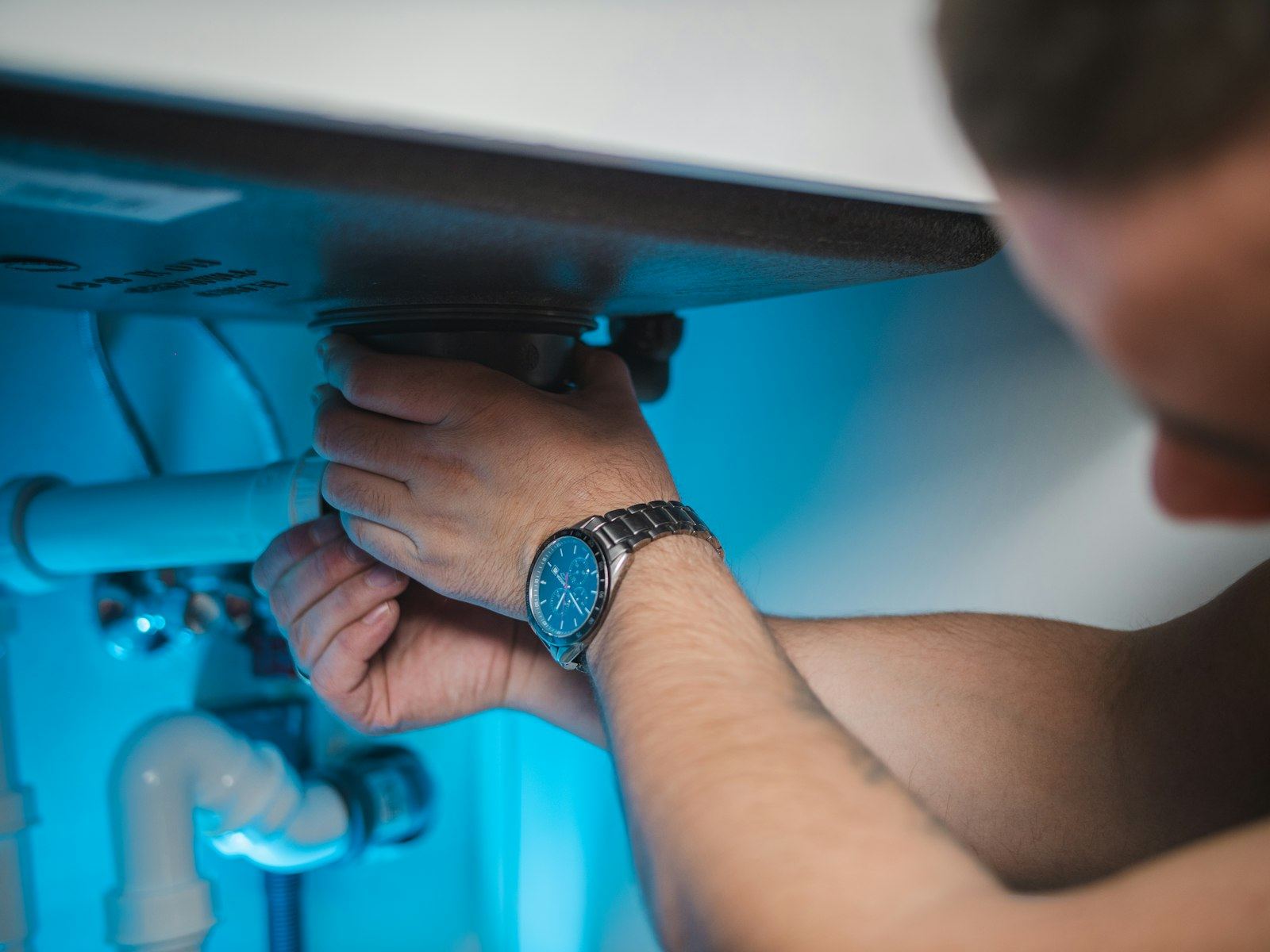
Warning Signs to Watch For
A heater that is starting to struggle rarely hides it for long, and the clues are easy to spot once you know them. Here are the most common indicators that it's time to call a professional:
- Any gas odor around the heater, which means getting out and calling the gas company before calling us
- No hot water at all, even after waiting for the tank to recover
- An electric water heater that keeps tripping its circuit breaker
- Hot water far hotter than normal, a sign of a runaway thermostat or gas control
- The relief valve on the side of the tank dripping, hissing, or discharging
- Water pooling around the base of the heater or spreading across the floor
- Sudden loud knocking or boiling sounds coming from inside the tank
- Scorch marks, soot, or flames rolling out near the burner access on a gas unit
Early Action Saves Money
A little rust-colored water or a relief valve that drips now and then can be the first hint of a tank that is close to the end. A quick call to (847) 220-5072 gets a technician out to check it before it becomes an emergency.
Water Heater Trouble? Call Us.
Call Glenview Water Heater for fast, reliable service.
Tap to Call (847) 220-5072What Homeowners Ask Us Most
The Benefits of Professional Emergency Water Heater Repair
Emergency calls combine electricity, gas, heat, pressure, and water, which is exactly the mix that makes do-it-yourself work risky. An electric heater sits on a 240-volt circuit that should never be handled while standing in water. A gas heater has fuel piping, a burner, and a vent that can leak exhaust into the room if something is out of place. The tank itself holds scalding water under pressure, and a discharging relief valve is signaling an unsafe condition that must be fixed at the source, not muted. Blocking the discharge pipe, relighting next to a gas odor, or forcing a rusted connection are all common and dangerous mistakes.
What does a professional add in the middle of an emergency? Certainty and safe sequencing. We verify the shutoffs, check for gas leaks with proper tools, and confirm the area is safe for electrical work. Then we find the root cause. A discharging relief valve often means high street pressure or no room for thermal expansion; a puddle might be a drain valve, a dielectric fitting, condensation, or a failed tank; a cold house may trace back to a thermocouple, an element, or a tripped high-limit switch. No two of those share a fix. We repair what can honestly be repaired, and when the tank is the problem, we explain your replacement options clearly and without a hard sell.
From Your Call to Hot Water
We follow the same careful process on every water heater, whether it's a quick thermostat swap or a full tankless conversion. Here's exactly how a typical visit unfolds:
Make It Safe by Phone
We start on the phone: confirm there is no gas odor, help you close the cold supply and turn off gas or power, and talk through what to move out of the water's path.
Dispatch & Site Safety
We send a technician with a stocked truck and give you a realistic time frame. The first job on arrival is confirming the heater is isolated and the area is safe to work in.
Diagnose & Repair
We trace the real cause, whether that is a worn valve, a rotted fitting, or a dead element, and repair it on the spot when the part is on the truck.
Safe Restart
Before we leave, the tank is refilled and bled of air, the burner or elements are brought back online, and we confirm dry connections, a working relief valve, and a safe 120F setting.
How to Prevent Water Heater Problems
A little routine care goes a long way toward keeping a water heater running well past its expected lifespan. Put these technician-approved steps to work at home:
- Add a battery leak alarm or an automatic shutoff valve that closes the supply when it senses water
- A 120F setting is safer for skin and easier on the heater than the hottest setting
- Check the temperature and pressure relief valve each year so you know it will work when it matters
- Know where the heater shutoff and the main water valve are, and make sure everyone in the house does too
- Annual flushing keeps sediment from causing the rumbling and hot spots that lead to leaks
- Store chemicals and flammables far from the burner, and keep the area around the heater uncluttered
- Ask about a drain pan and drain line, especially for heaters in attics, closets, or above finished rooms
Comparing DIY and Professional Work
The line between a safe DIY check and a risky repair is usually the moment you need to open a gas fitting, a vent connection, or an electrical cover. Here's a comparison:
| Consideration | DIY Attempt | Professional Service |
|---|---|---|
| Gas Safety | Lingering near a possible leak | Evacuate, utility clears it, then leak testing |
| Water Control | Seized valves forced until they break | Supply isolated fast, stuck valves handled safely |
| Relief Valve | Valve ignored or blocked off | Root cause measured and corrected |
| Power & Water | Resetting breakers while the floor is wet | Breaker isolated and wiring checked first |
| Finding the Cause | Guessing between valve, fitting, and tank | Tested, not guessed |
| Outcome | Problem likely to return | Hot water back and connections proven dry |
Talk to Our Emergency Water Heater Repair Team
Every day a leak or a failing part goes unchecked puts more stress on the tank. Get Glenview Water Heater on the job today.
Get Help: (847) 220-5072Areas We Serve for Emergency Water Heater Repair
Our service area reaches well past the city limits. Choose your community for local details.