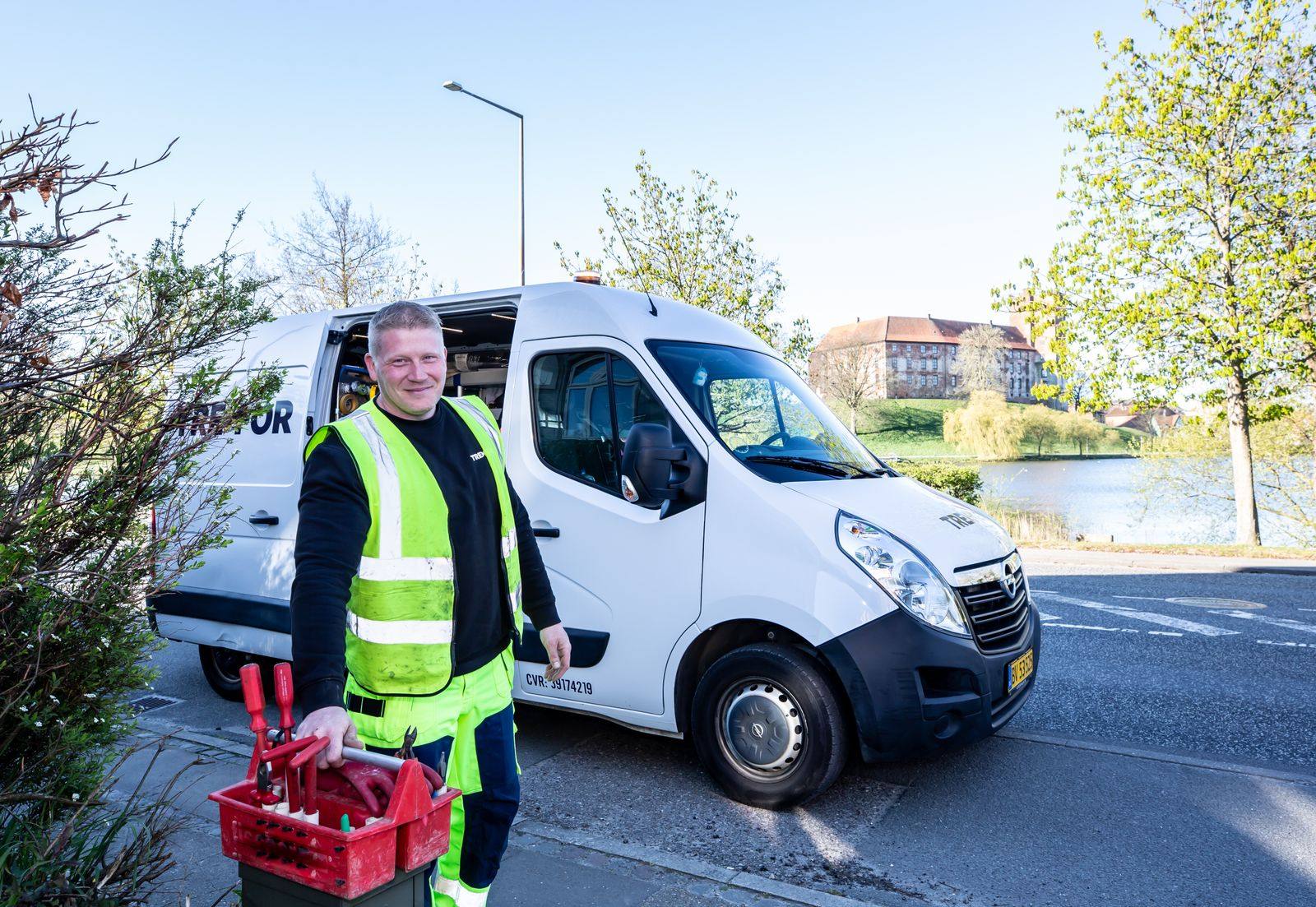
Water Heater Repair and Installation for Chicago
Ask Chicago homeowners what they want from a water heater company and the list is short: a real person on the phone, a technician who shows up when promised, and a price that doesn't change once the work starts. Glenview Water Heater is built around exactly that. We diagnose before we quote, explain what failed in plain language, and give you real numbers on both repair and replacement. No vague estimates, no mystery fees, and no pitch for a new tank when an inexpensive part will do. Emergency repairs, planned upgrades, and routine flushes are all handled by seasoned technicians who work in Chicago every week.
Water Heater Repair and Installation Across Chicago
We service every type of water heater you'll find in local homes and businesses, from standard gas and electric tanks to tankless units and hybrid heat pump models. It doesn't matter whether the building is a starter home, a condo, or a busy restaurant. Our techs know how local water treats equipment, the way homes here were plumbed, and the code requirements inspectors look for, and that knowledge shows up in the quality of every repair.
Most homeowners we meet need one of three things: a repair, a replacement, or an annual flush. Repairs are usually straightforward: a failed thermocouple, a dead element, a faulty thermostat, or a leaking drain valve. When we replace a heater, it gets a proper sizing check, based on how many people and fixtures draw hot water at once, not just the capacity of the old tank, which keeps showers hot through the morning rush. Maintenance visits include a sediment flush, an anode rod check, a relief valve test, and a venting inspection, which does more than anything else to extend equipment life.
Commercial work makes up a large share of our work too. We service commercial-grade tanks, tankless banks, and recirculation pumps for restaurant kitchens, salons, offices, and multi-unit buildings, knowing that every hour without hot water costs the business. To keep disruptions short, we carry common parts on every truck, diagnose fast, and plan repairs around your operating hours whenever possible.
Fast Water Heater Response in Chicago
Call us about a problem and a real person picks up, not a phone tree. Most service requests get scheduled the same day or the next, and urgent calls, water spreading across the floor or a house with no hot water at all, jump to the top of the schedule. We keep the process simple so you're not stuck waiting for a callback.
The emergency calls we run tend to follow a pattern. On gas units, it's a pilot that won't stay lit, a burner that lights and drops out, or a failed gas valve. On electric heaters, it's a dead element, a faulty high-limit switch, or a breaker that trips every cycle. And on any type, it's leaks at the base, the drain valve, or the fittings, along with T&P valves releasing water. Since our trucks carry thermocouples, elements, thermostats, gas valves, relief valves, and fittings, most of these get fixed on the first trip, at a price you approve before we start.
A few minutes of caution before we arrive can prevent a lot of water damage. For a leak, turn off the cold supply valve on the pipe above the heater, then switch off the breaker for an electric model or turn the gas knob to "off" on a gas model. Move boxes and anything valuable away from the tank and put down towels to slow the spread. Gas smells are never a wait-and-see situation: get everyone out and call the gas utility from outside.
Getting More Years From Your Water Heater in Chicago
The best way to avoid a surprise leak is simple maintenance. We recommend that homeowners flush the tank once a year (more often with hard water), have the anode rod checked every three to five years, lift the T&P valve lever once a year to make sure it isn't stuck, and keep the thermostat around 120 degrees, which limits scalding risk and cuts down on scale. Tankless owners should plan on descaling once a year in hard-water areas.
Take a look at the age of your water heater. The rating plate on the tank usually encodes the manufacture date, and that date says a lot about what comes next. Most tank heaters reach 8 to 12 years, heat pump models 10 to 15, and well-maintained tankless units about 20. If your heater is past that point and also shows discolored water, popping sounds, or dampness under the tank, it's usually due for a planned replacement, and that's almost always cheaper and easier on everyone than an emergency replacement after a leak.
If warning signs do show up, acting quickly keeps them small. A dripping relief valve might point to high water pressure or a missing expansion tank, both modest fixes. The same drip left alone for a season can keep stressing the tank until a seam gives way, and a small repair becomes a full replacement plus water damage. It's smart to keep our number saved on your phone so you can reach us at the first sign of trouble. Early intervention saves time, money, and ruined floors.
Hot Water Headaches Chicago Homeowners Face
The majority of water heater problems we see in Chicago come back to what's in the water. Depending on the neighborhood and the water source, minerals can be part of the picture: dissolved minerals settle to the bottom of a tank as sediment, forcing the burner or lower element to work harder, and that's what causes the rumbling and popping you may hear during a heating cycle. In tankless units, the same minerals build scale inside the heat exchanger, which is why annual descaling matters so much in hard-water areas.
Then there's age. Once the protective anode rod is gone, usually somewhere in the second half of a tank's life, the steel starts to rust from the inside, and a drip from the bottom seam often shows up next. The area has a mix of fuel types, gas tanks in some houses and electric tanks in others, which means we service both sides: thermocouples, burners, and venting on gas units, and elements, thermostats, and breakers on electric ones.
Code requirements add another layer. Swapping out an older heater frequently means updating the installation along the way: a thermal expansion tank if the plumbing is a closed system, a relief valve drain line piped to an approved spot, venting that drafts properly on gas units, plus straps and a pan where required. Well water brings its own challenges, including heavier sediment, iron staining, and the sulfur odor that occasionally shows up when certain water chemistry reacts with a standard anode rod. All of these can be fixed, and most are much cheaper when caught early. If your water heater is doing anything unusual, a diagnostic visit from our team catches the small problem before it becomes an expensive one. Call (847) 220-5072 and we'll take a look.
Trusted Local Service
Living and working here gives us firsthand knowledge of what local homes need to keep the hot water flowing. Whether it's an emergency leak or a routine flush, our team has the experience to address every concern.
Water Heater Trouble at Home?
Call now for fast, reliable water heater service across the area and surrounding communities.
Call (847) 220-5072 TodayWhat We Offer
From single-family homes to commercial kitchens, our team covers every hot water need in the area, including:
Ready to Get Started?
Contact us today for water heater service at your home or business.
Get Help: (847) 220-5072Why Chicago Residents Choose Us
Glenview Water Heater treats Chicago like home turf, because it is. We show up when we say we will, we diagnose before we quote, and we put real numbers on both repair and replacement so you can decide based on facts, not pressure. Our technicians are comfortable with everything from 20-year-old gas tanks to modern condensing tankless units, our trucks carry the parts that actually fail, and we run every heater through a full heating cycle before we go. It's the reason so much of our work comes from referrals.
Hot Water Questions We Hear Often
More Areas We Cover
Our technicians work throughout the surrounding region. See the other areas we serve.